





How to Diagnose a Parking Brake Failure
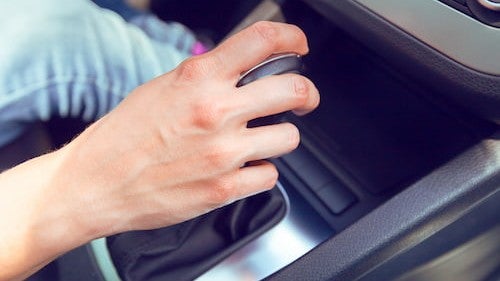
Your vehicle's parking brake helps keep it securely parked on hills, driveways, and other slopes. If it won't engage, won't release, or fails to hold your vehicle in place, worn components, corrosion, or an electronic fault could be responsible.
Whether you drive a Dodge Charger or Ram 1500, recognizing parking brake problems early can help prevent further damage. Here's what to look for and when to seek professional service.
How Do Technicians Diagnose Parking Brake Problems?
Diagnosing a parking brake problem involves identifying which component is preventing the system from engaging or releasing correctly. Depending on the vehicle, a technician may perform several checks:
What Are the Signs of a Failing Parking Brake?
Parking brake problems aren't always obvious at first. Changes in how the brake feels, sounds, or responds can indicate that certain components need attention.
- Reduced holding power: Your vehicle shifts or rolls after the parking brake is engaged, particularly on a slope.
- Changes in lever or pedal resistance: A lever that pulls unusually high, feels loose, or offers little resistance may indicate cable wear or a mechanical adjustment issue.
- Persistent dashboard warnings: A parking brake or brake system warning that remains illuminated after disengagement may indicate an electrical fault or another braking system issue.
- Difficulty engaging or releasing: A brake that won't fully apply or remains stuck after release may have a seized mechanism, damaged cable, or electronic control problem.
- Unusual noises or burning odors: Grinding, scraping, or a burning smell can indicate friction, component damage, or excessive heat from a brake that hasn't fully disengaged.
What Causes Parking Brake Failure?
Several factors can interfere with your parking brake's ability to hold a vehicle securely or release properly. The most common causes include:
-
Cable wear and tension loss:
Repeated use can stretch or damage mechanical parking brake cables, reducing the force applied when the brake is engaged. -
Environmental exposure:
Moisture, road salt, and freezing temperatures can contribute to corrosion or cause moving components to seize. -
Brake assembly deterioration:
Worn parking brake shoes, damaged linkages, or problems with the rear brake assembly can prevent the system from holding the vehicle effectively. -
Electronic component failure:
Motorized actuators, wiring, switches, or low battery voltage can interfere with the operation of an electronic parking brake. -
Incorrect repairs or adjustments:
Improperly installed parts or incorrect cable adjustments can prevent the brake from engaging fully or releasing as intended.
The warning signs alone may not reveal the exact cause. Call one of our service technicians at 706-508-6848 to schedule an inspection.
Why Won't My Parking Brake Release?
A stuck parking brake may involve a mechanical problem, freezing, or an electronic fault. The A parking brake that won't release may be affected by freezing temperatures, seized mechanical components, or an electronic malfunction. The likely cause depends on your vehicle's parking brake design.
| Possible cause | Why it happens |
|---|---|
| Frozen components | Moisture can freeze and prevent moving parts from releasing. |
| Stuck cable or linkage | Corrosion or mechanical damage can restrict movement. |
| Electronic system fault | A faulty actuator, switch, or wiring issue can interrupt operation. |
| Low battery voltage | Insufficient power may prevent an electronic parking brake from disengaging. |
If your parking brake remains stuck:
- Consult your owner's manual for the manufacturer-approved release procedure.
- Don't force the lever or switch, or attempt to drive with the brake engaged, as this can cause further damage.
- If the brake still won't release, contact a service technician and arrange towing if necessary.
How Can You Prevent Parking Brake Problems?
A few maintenance habits can help reduce premature wear:
- Use the parking brake correctly: Follow your owner's manual when parking, including selecting Park when applicable.
- Address warning signs early: Don't ignore unusual noises, loose operation, or persistent warning lights.
- Follow maintenance recommendations: Have the system inspected when required or when symptoms develop.
- Prepare for cold weather: Follow manufacturer guidance for freezing conditions, especially if you've experienced a sticking brake.
Always confirm the parking brake is fully released before driving to help prevent excessive heat and brake damage.
Get Parking Brake Service at Mtn. View CDJR
If your parking brake isn't working properly, Mtn. View Chrysler Dodge Jeep Ram in Ringgold can help diagnose the issue. Our service team works on Chrysler, Dodge, Jeep, and Ram vehicles, as well as other makes and models.
Whether you're experiencing a mechanical problem or an electronic parking brake warning, an inspection can help determine the necessary repairs.