



Impact of a Bad Fuel Pump on Your Car
Your car’s fuel pump is one of the most important components under the hood. It ensures fuel flows from the gas tank to the engine, providing the power needed to keep your car moving. Without it, your car wouldn’t even start.
At Mountain View Chrysler Dodge Jeep Ram in Chattanooga, we know how essential it is to keep your vehicle’s fuel pump in great shape, so let’s dive into what happens when this critical part starts to fail.
Roles and Functions of a Fuel Pump
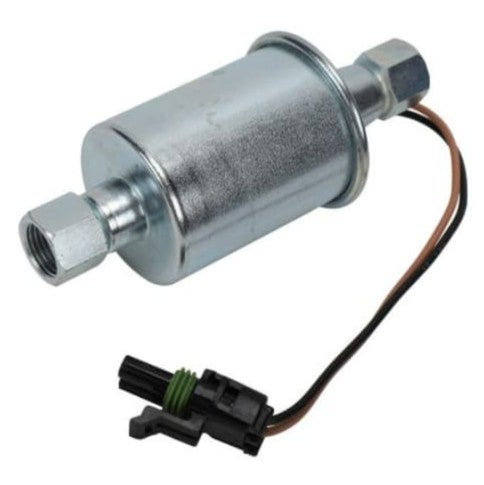
The fuel pump ensures your engine gets the right amount of fuel at the right pressure to run efficiently. There are two main types of fuel pumps:
- Mechanical Fuel Pumps: These are commonly found in older vehicles. They use engine power to deliver fuel and operate at low pressure, ideal for carbureted engines.
- Electric Fuel Pumps: Most modern cars, including the ones we sell at Mountain View CDJR, have these pumps. Located in the fuel tank, they deliver high-pressure fuel for more efficient, fuel-injected engines.
Symptoms of a Failing Fuel Pump
If your fuel pump starts to go bad, you’ll likely notice a few warning signs:
- Poor Fuel Efficiency: If your car suddenly starts guzzling gas, a faulty fuel pump could be the culprit.
- Power Loss: You might feel your car struggling to climb hills or carry heavy loads.
- Engine Sputtering at High Speeds: A failing pump can cause the engine to sputter when it needs more fuel during high-speed driving.
- Trouble Starting the Car: Difficulty starting could mean your pump isn’t delivering enough fuel to the engine.
- Unusual Noise: A whining or humming sound near the fuel tank often points to pump trouble.
These symptoms are easy to miss at first, but catching them early can save you from bigger headaches
Consequences of a Bad Fuel Pump
If your fuel pump fails, you’re in for a rough ride—or no ride at all. Here’s what can happen:
- Performance Issues: Your car may lose power, struggle to accelerate, or stall out entirely.
- Increased Costs: A failing pump can cause your car to burn more fuel and lead to repeated repairs.
- Safety Concerns: A car that stalls unexpectedly can put you in a dangerous situation, especially in heavy traffic or on the highway.
Diagnosing a Bad Fuel Pump
Diagnosing a failing fuel pump requires some attention to detail:
- Listen for unusual noises, like whining or humming from the fuel tank.
- Use a fuel pressure gauge to check if the pump is delivering adequate fuel pressure.
- Scan for error codes that might indicate a fuel system issue.
Steps to Replace or Fix a Faulty Fuel Pump
Replacing a fuel pump isn’t a simple task. Here’s a general overview:
- Disconnect the battery for safety.
- Remove the fuel tank to access the pump.
- Detach the old pump and replace it with a new one.
- Reconnect everything, including the battery, and test the system.
While it’s possible to do this yourself if you have the tools and expertise, many people choose professional service to make sure it’s done right. Bring your vehicle to the Service Department at Mtn. View CDJR so we can diagnose your vehicle properly.
Preventive Measures and Maintenance Tips
You can prolong the life of your fuel pump with these simple tips:
- Keep Your Tank at Least a Quarter Full: This helps keep the pump cool and prevents overheating.
- Replace Your Fuel Filter Regularly: A clogged filter can put extra strain on the pump.
- Use High-Quality Gas: Clean fuel reduces the risk of debris damaging your pump.
To speak with a parts specialist fill out the form below and someone will reach out to you to answer any questions.